Located in the heart of the ancient town, Precious Heritage Museum Hoi An is one of the most meaningful cultural attractions for international visitors seeking to understand Vietnam beyond its landscapes. More than a traditional museum, this unique space is a living archive dedicated to preserving the cultural identities of Vietnam’s ethnic minorities through photography, traditional costumes, and personal stories.
Founded by French photographer Réhahn, the museum offers an immersive journey into the human heritage of Vietnam, making it a must-visit destination for culture lovers visiting Hoi An.
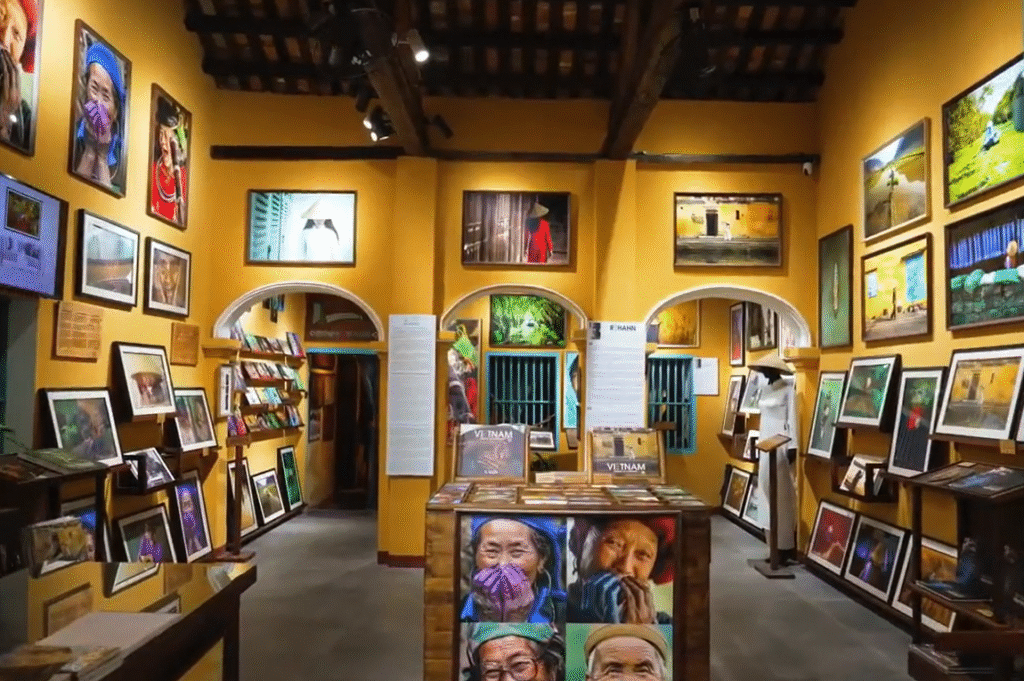
Introduction to Precious Heritage Museum Hoi An
The Precious Heritage Museum Hoi An was officially opened to the public with a clear mission: to safeguard the disappearing traditions, languages, and customs of Vietnam’s 54 ethnic groups. Unlike conventional museums that focus mainly on objects, this museum places people at the center of its storytelling.
Every exhibition is the result of years of travel, trust-building, and collaboration between the founder and ethnic communities across Vietnam. The museum is completely free to enter, making it accessible to all visitors who wish to explore Vietnam’s cultural soul.
Location and Accessibility
The museum is conveniently located near Hoi An Ancient Town, within walking distance of major landmarks, cafes, and heritage houses. This central location allows travelers to easily include the museum in their sightseeing itinerary without disrupting their schedule.
Thanks to its open and welcoming layout, the museum is suitable for solo travelers, families, photographers, and educational groups alike.
A Unique Cultural Experience
What sets Precious Heritage Museum Hoi An apart from other museums is its emotional depth. The exhibitions feature:
- Authentic traditional costumes from ethnic minorities such as the Hmong, Dao, Lahu, and Cham
- Large-scale photographic portraits capturing real individuals in their daily lives
- Personal narratives explaining the meaning behind each costume, symbol, and tradition
Each piece is accompanied by detailed descriptions in English, allowing international visitors to gain meaningful insights without the need for a guide.
The Power of Storytelling Through Photography
Photography plays a central role in the museum’s impact. The portraits displayed are not staged or commercial; they reflect genuine encounters between the photographer and the communities he visited.
Many photographs capture rare moments, including traditional ceremonies, ancestral rituals, and elders wearing clothing styles that are no longer produced. These images transform the museum into a powerful storytelling space, where every face tells a story of identity, resilience, and pride.
Preserving Endangered Traditions
One of the most important contributions of Precious Heritage Museum Hoi An is its role in cultural preservation. As modernization accelerates, many ethnic groups face the risk of losing their traditional languages, clothing, and customs.
The museum actively documents:
- Endangered dialects and oral histories
- Handwoven fabrics and natural dye techniques
- Symbolic patterns passed down through generations
By displaying these elements publicly, the museum raises awareness among both local communities and international visitors about the urgency of cultural preservation.
Why International Visitors Love the Museum
For foreign tourists, Precious Heritage Museum Hoi An offers an authentic cultural experience that goes beyond sightseeing. Many visitors describe the museum as one of the most memorable stops in Hoi An because it creates an emotional connection rather than simply providing information.
Key reasons why international travelers highly rate the museum include:
- Free entrance and welcoming atmosphere
- Clear English explanations and captions
- Powerful visual storytelling
- Respectful representation of ethnic communities
It is particularly popular among travelers interested in anthropology, photography, and responsible tourism.
Educational and Ethical Value
The museum also serves an educational purpose. Schools, universities, and cultural organizations frequently reference the exhibitions as valuable resources for learning about Southeast Asian ethnography.
Importantly, the museum emphasizes ethical storytelling. All exhibitions are created with the consent and collaboration of the communities involved, ensuring that cultural representation is respectful and accurate.
Photography Etiquette and Visitor Experience
Visitors are generally allowed to take photos inside the museum, but respectful behavior is strongly encouraged. The museum’s calm atmosphere invites guests to slow down, read the stories, and reflect on the human connections behind each display.
The visit typically takes between 45 minutes to 1.5 hours, depending on how deeply visitors engage with the exhibits.
Combining the Museum with Other Hoi An Attractions
Thanks to its central location, Precious Heritage Museum Hoi An can easily be combined with other nearby attractions such as:
- Hoi An Ancient Town
- Japanese Covered Bridge
- Traditional craft workshops
- Riverside cafés and art galleries
This makes the museum a perfect cultural stop during a walking tour of the city.
Conclusion
Precious Heritage Museum Hoi An is more than a museum—it is a heartfelt tribute to Vietnam’s cultural diversity and human heritage. Through authentic photography, traditional costumes, and deeply personal stories, the museum offers visitors a rare opportunity to connect with the lives and identities of Vietnam’s ethnic minorities.
For travelers seeking meaning, authenticity, and cultural depth, this museum stands out as one of the most enriching experiences in Hoi An. A visit here not only enhances your understanding of Vietnam but also contributes to the ongoing preservation of its precious heritage.
Một trả lời tới to “Precious Heritage Museum Hoi An – A Living Archive of Vietnam’s Cultural Diversity”